
The EPCG NET 2026 Energy Symposium brought together leading representatives of the regional energy sector with the aim of exchanging expertise, knowledge, and experience. Through panel discussions, presentations, and business meetings, participants had the opportunity to learn about the latest developments in the energy industry, present their initiatives, and further strengthen cooperation in support of the energy transition and sustainable development.
As part of the symposium, a panel titled “AI in Power Engineering” was held, focusing on the potential applications of artificial intelligence in improving the efficiency, reliability, and sustainability of power systems.
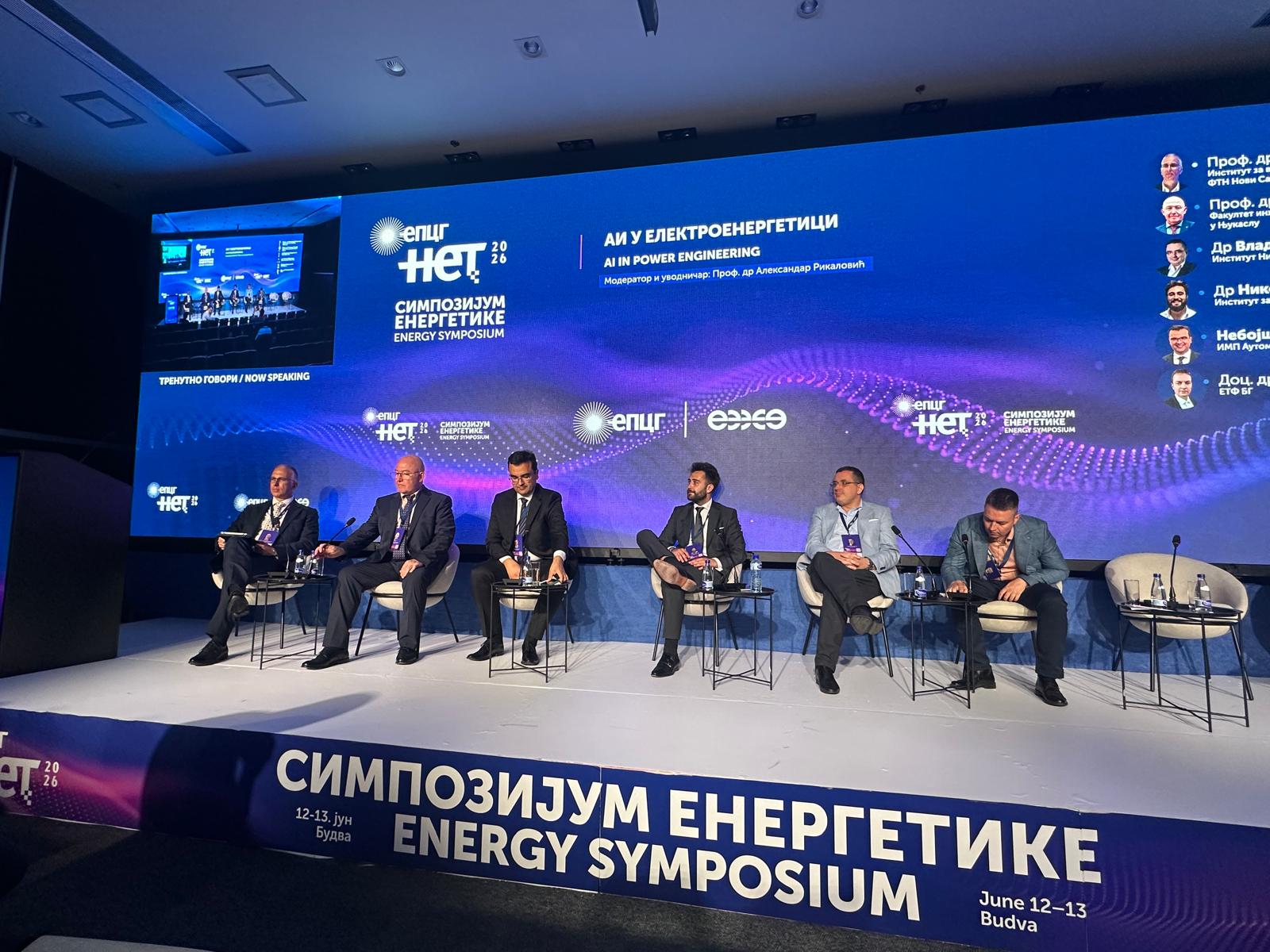
Representing the Mihajlo Pupin Institute, Nebojša Radmilović joined Prof. Vladimir Terzija of Newcastle University, Dr. Vladimir Polužanski of the Nikola Tesla Institute, Dr. Nikola Šekularac, of the Institute de Macanique des Fluides de Tolouse (IMFT), and Dr. Tomislav Rajić of the Faculty of Electrical Engineering, University of Belgrade, in a discussion on current trends, challenges, and prospects for the development of AI solutions in the energy sector.
Speaking about the Mihajlo Pupin Institute’s activities in the field of artificial intelligence, Radmilović presented two projects implemented in cooperation with the Institute for Artificial Intelligence that have been successfully deployed within the Electric Power Industry of Serbia (EPS).
“The first project focused on forecasting water inflows at the Drina–Lim hydropower plants. With approximately 1,400 MW of installed capacity, the Drina–Lim hydropower system accounts for around ten percent of Serbia’s total electricity generation. At the same time, it is located within a river basin that spans Serbia, Montenegro, and Republika Srpska, and includes a large number of power facilities operated by the electric utilities of these three areas,” said Radmilović.
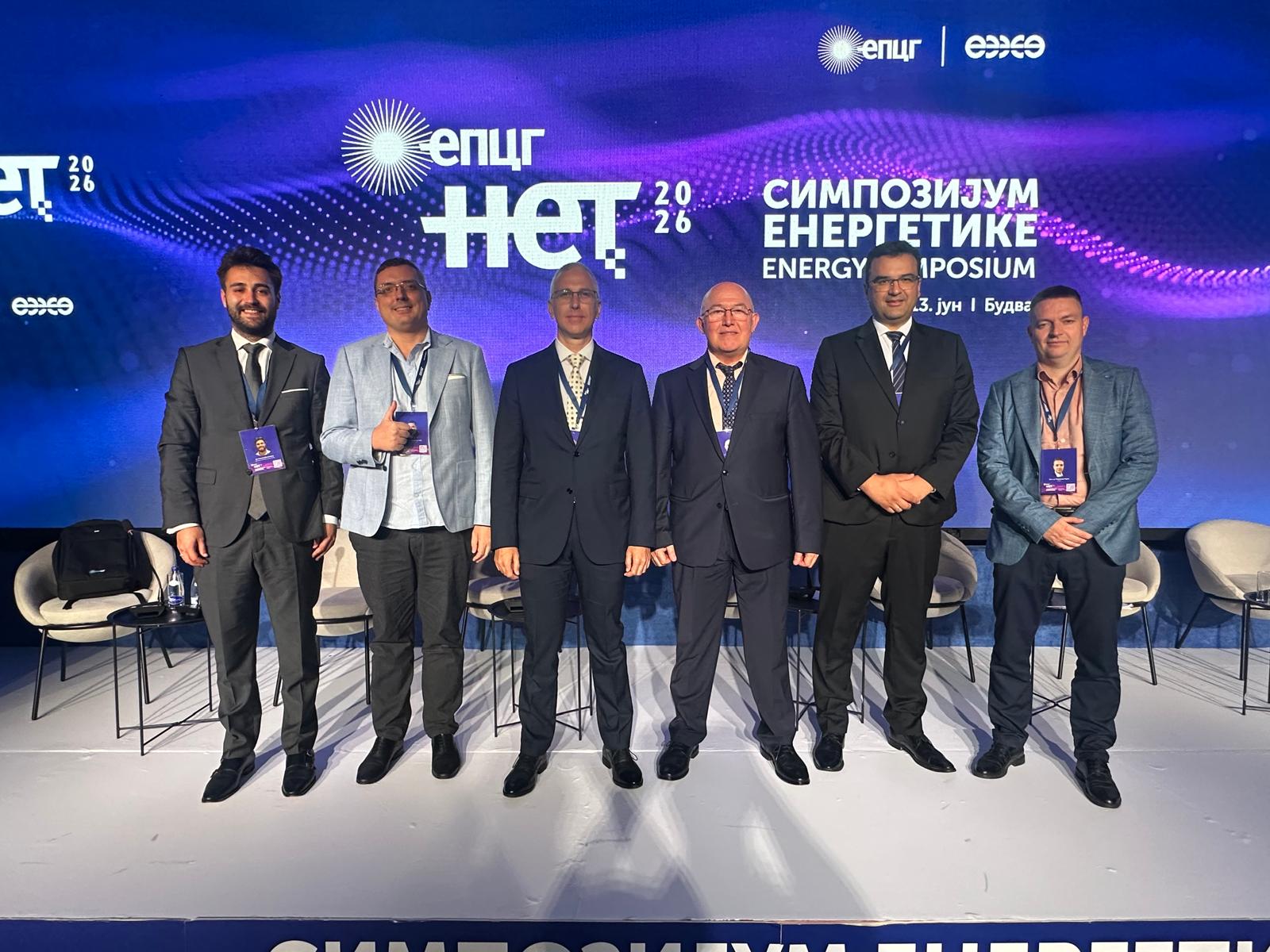
During the discussion, participants emphasized the importance of developing digital twins, advanced decision-support systems, and predictive control solutions, while preserving the human-in-the-loop principle, which ensures that experts retain a central role in decision-making and provide essential human oversight in critical processes.
Particular attention was given to the technical, organizational, regulatory, and cybersecurity challenges and risks associated with AI adoption, as well as to the future role of artificial intelligence in the energy transition and the integration of renewable energy sources. The panel also addressed the growing electricity demand driven by the expansion of AI data centers and explored opportunities for optimization and improved energy efficiency.