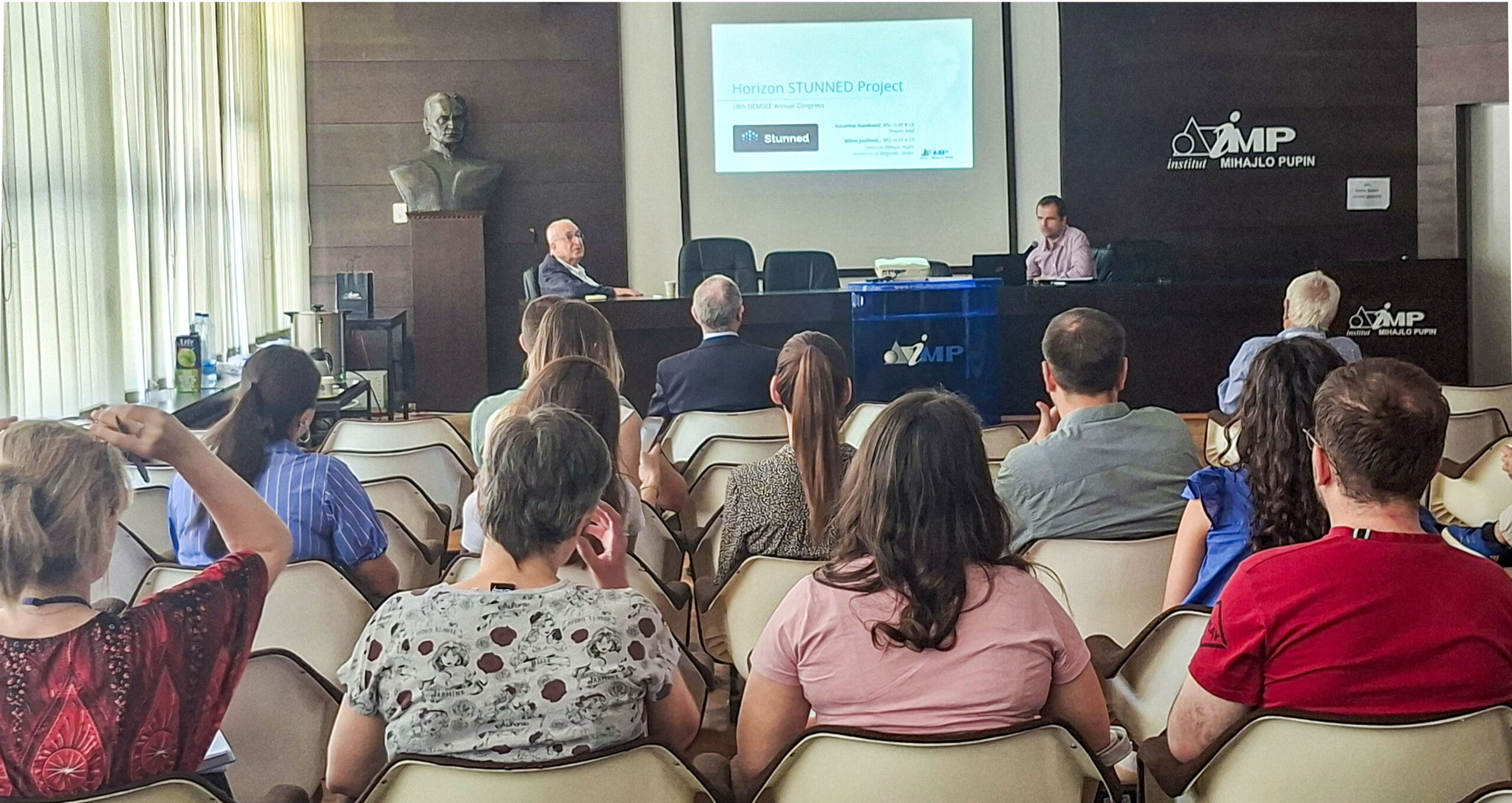
The Institute Mihajlo Pupin hosted the 18th DEMSEE Congress, one of the leading regional events dedicated to the challenges and development of the deregulated electricity market in Southeast Europe.
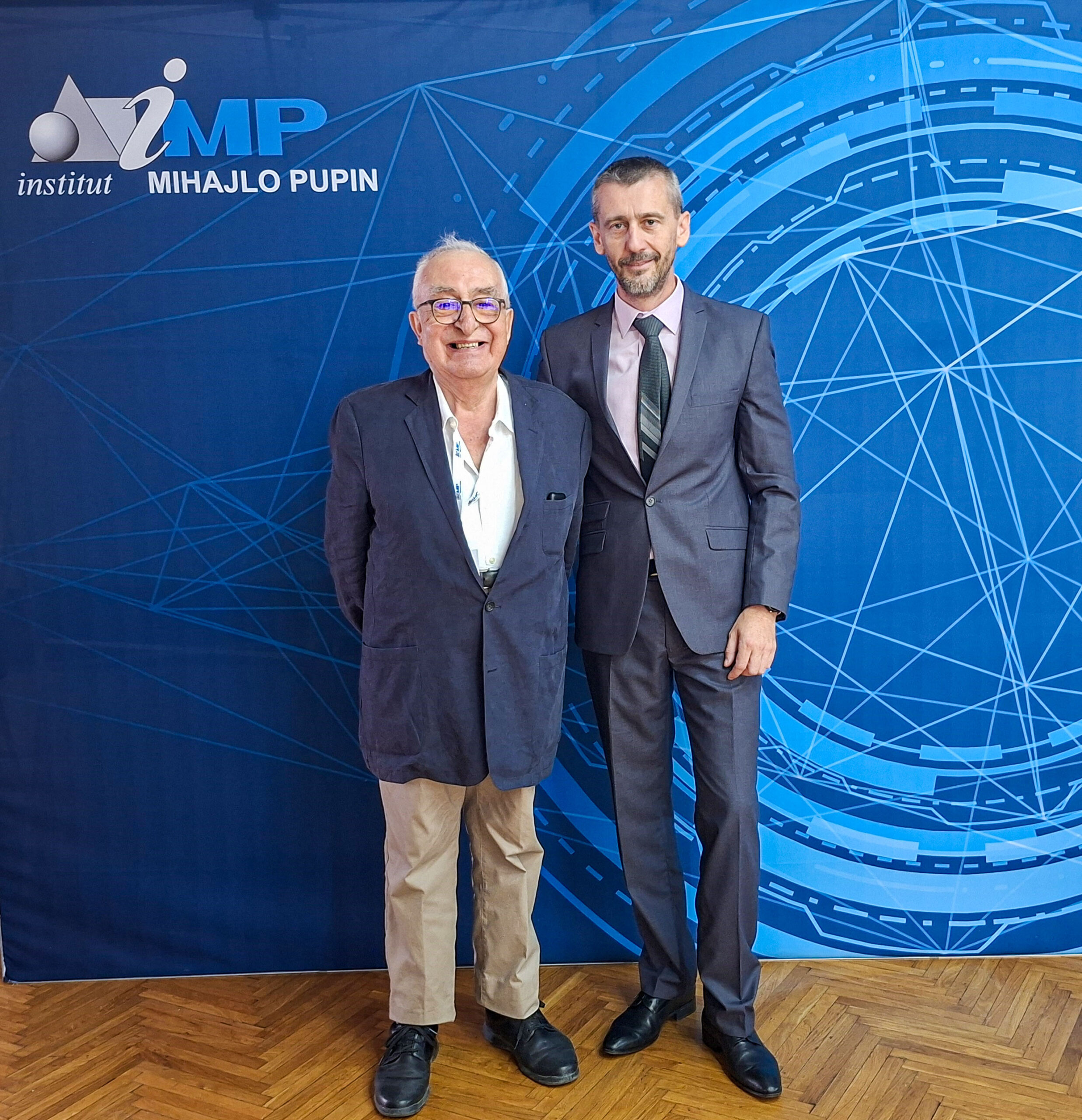
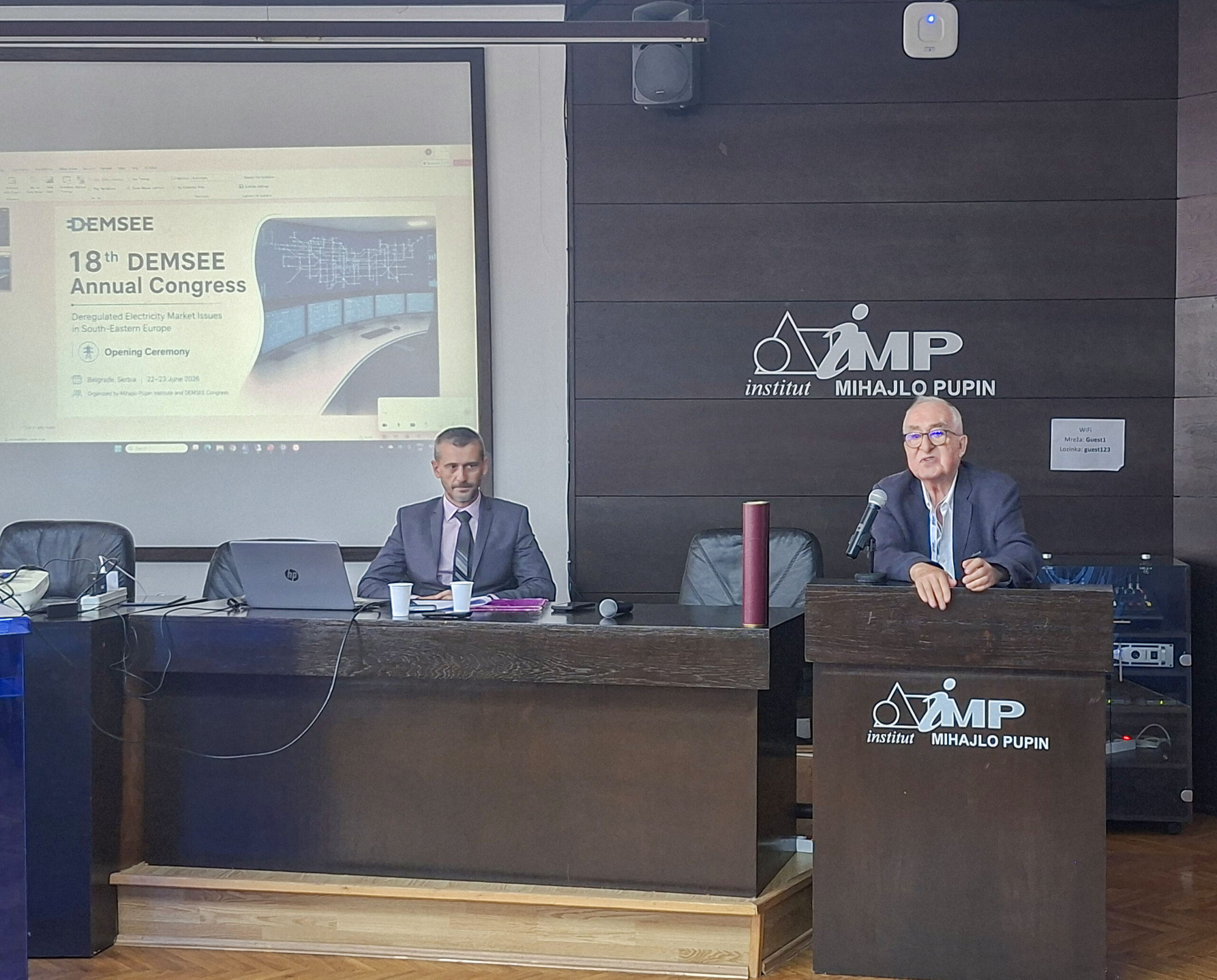
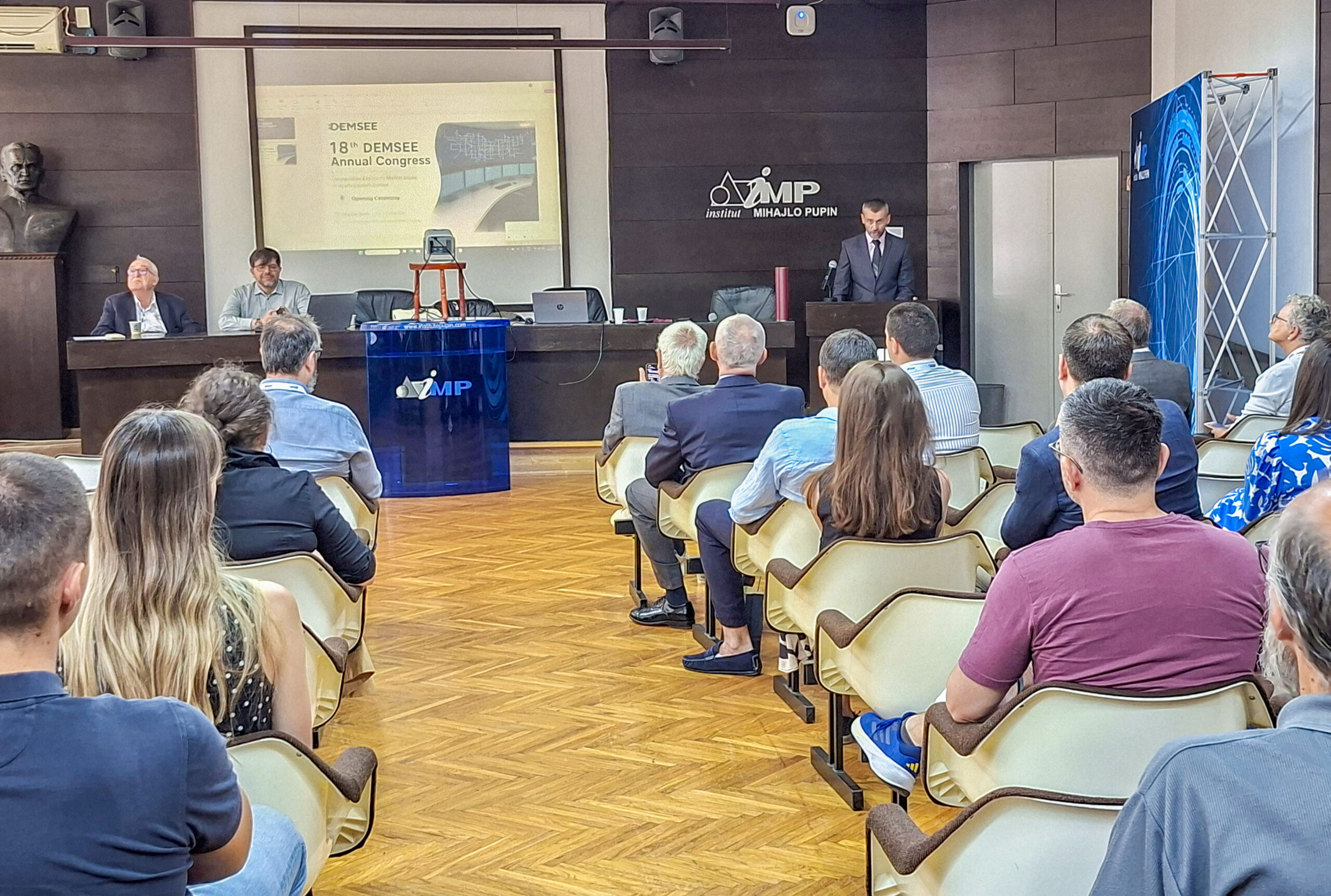
The Congress was opened by its founder, Thales Papazoglou, and Igor Bundalo, Chair of the 18th DEMSEE Congress. Over the course of two days, the Institute Mihajlo Pupin brought together representatives of universities, power utilities, transmission system operators, research institutions, and energy companies to exchange knowledge and discuss the future of the energy sector.
The technical programme began with keynote presentations addressing some of the most important trends shaping today’s power industry. Valentina Loisi, Head of Commercial Strategy at Neara, presented the potential of Digital Twin technology to increase grid capacity and resilience while supporting more efficient investment planning for power infrastructure. Professor Mileta Žarković, PhD, from the University of Belgrade – School of Electrical Engineering, discussed the application of artificial intelligence in power systems, highlighting the potential of advanced algorithms to improve planning, operation, and the reliability of electricity networks. Nikola Obradović, Corporate Director for International and Corporate Affairs at Elektromreža Srbije (EMS), presented the evolution of frequency control in the Serbian power system, emphasizing its importance for maintaining system stability amid the growing integration of renewable energy sources.
Through technical papers covering topics such as power system security, hydropower plant optimisation, advanced algorithms for electricity generation, and the integration of renewable energy sources into existing power grids, participants exchanged experiences and explored different approaches to addressing the complex challenges facing the energy sector.
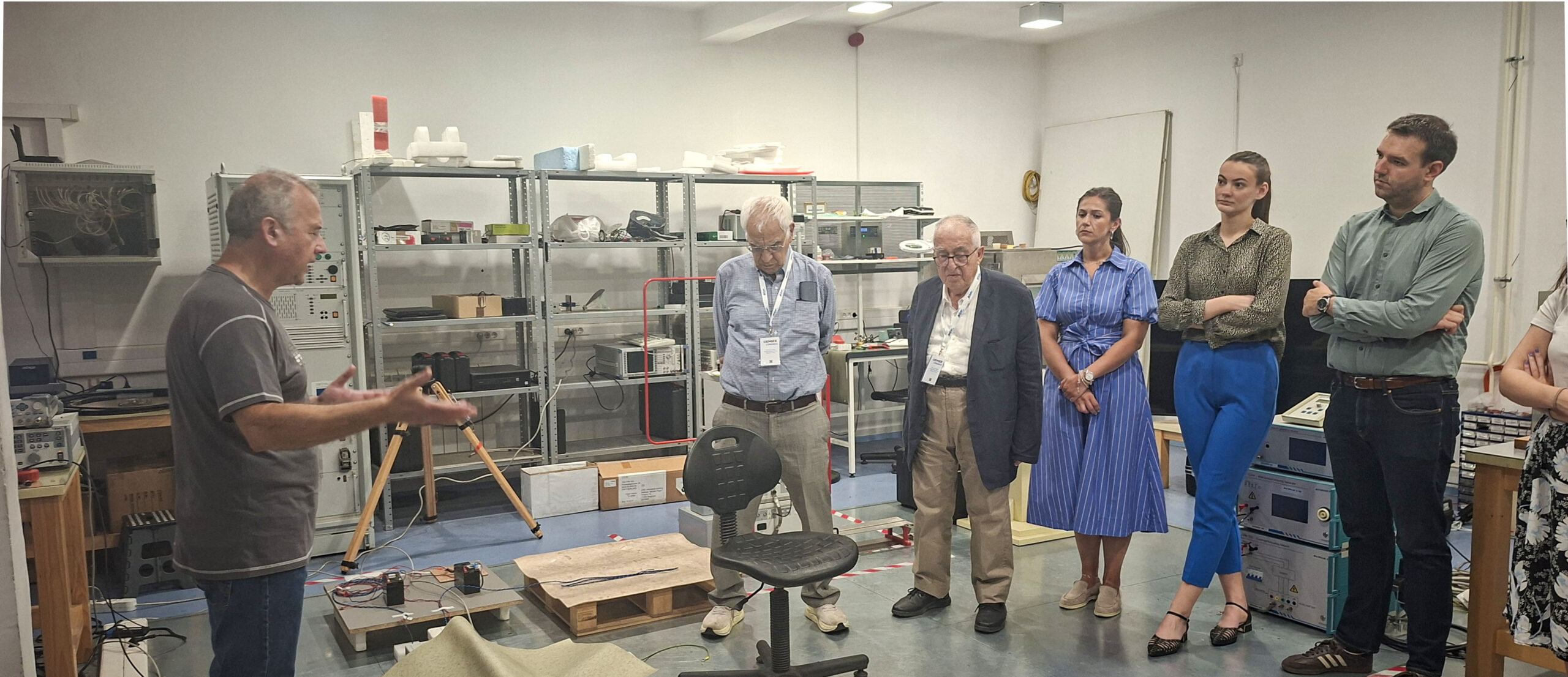
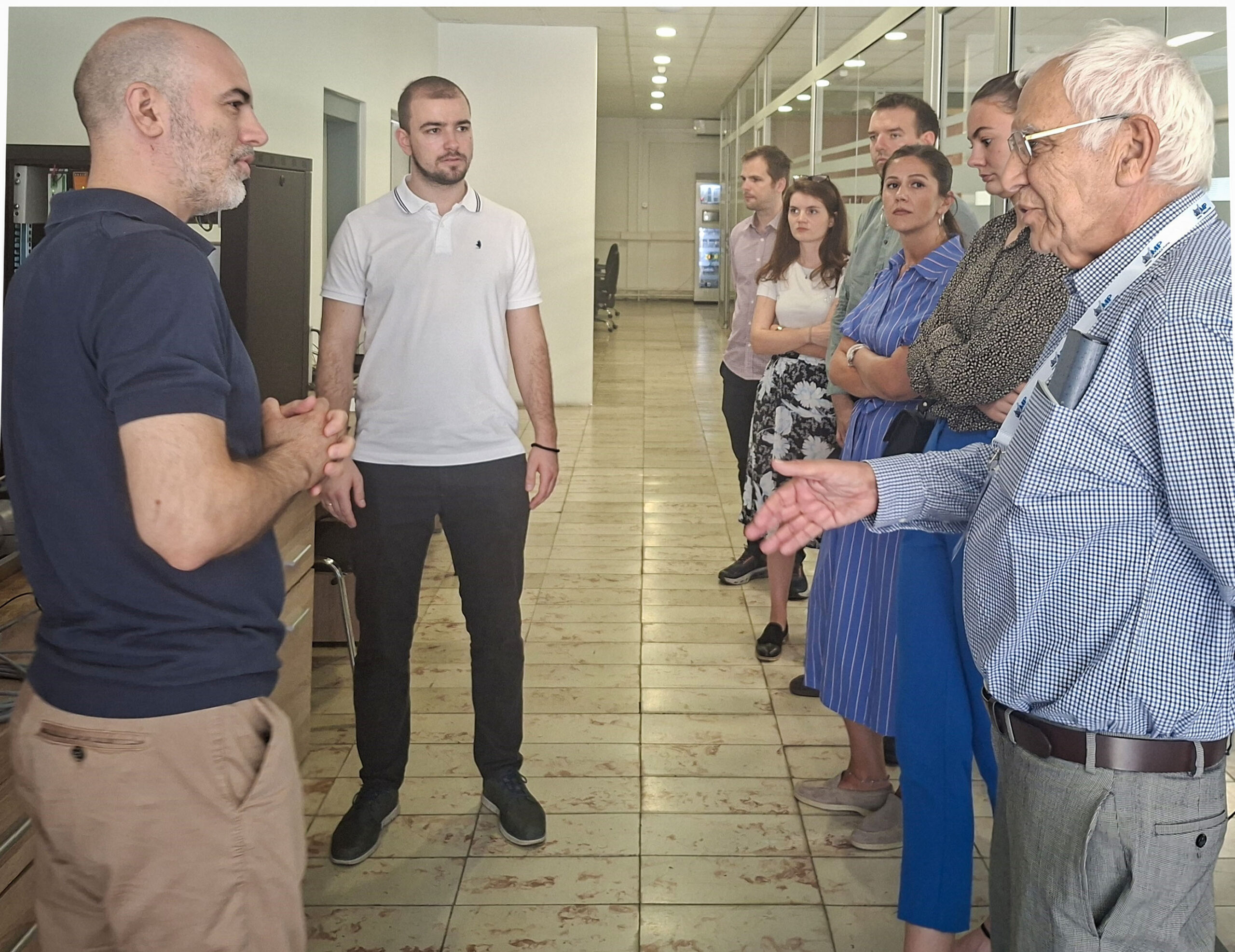
The second day of the Congress featured the presentation of the European STUNNED project, which explores new models of demand-side flexibility and the active participation of energy communities in the electricity market. Participants also visited the Institute Mihajlo Pupin, where they toured selected research and development facilities, laboratories, and technological solutions developed by the Institute. The visit provided an opportunity to engage directly with researchers, exchange expertise, and explore possibilities for future cooperation.